

1. Introduction
-
Women’s Traditional Wear in India is not only about clothes but also a way of being, a pride in heritage, and an embodiment of cultural richness.
-
Indian women have been wearing clothes that portray grace, elegance, and tradition for centuries.
-
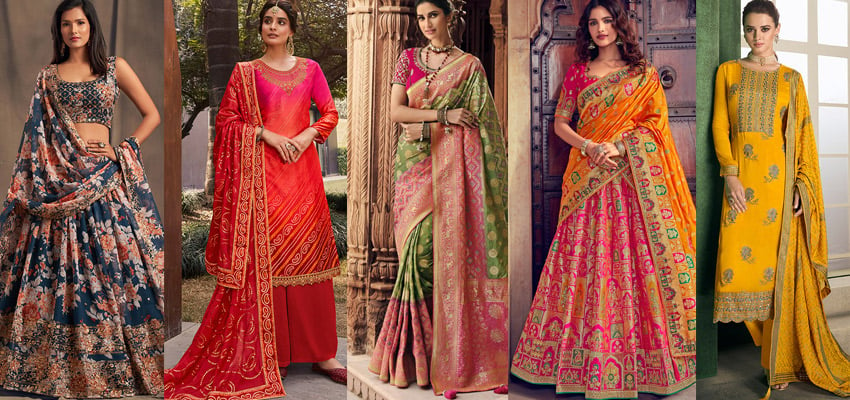
Sarees, lehengas, kurtis, salwar suits – each garment tells a story of history, craft, and art.
-
In today’s fashion world, trends may come and go, but traditional clothing remains timeless, worn for weddings, festivals, and everyday life.
2.The Rich Heritage of Women’s Traditional Wear in India
India’s diversity is beautifully reflected in its clothing styles. Each state and region has its own unique fabrics, weaving styles, prints, and embroidery techniques. Women’s traditional wear isn’t just fashion—it carries forward centuries of heritage and craftsmanship.
-
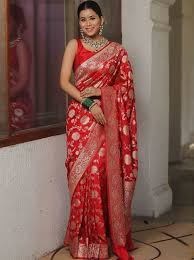
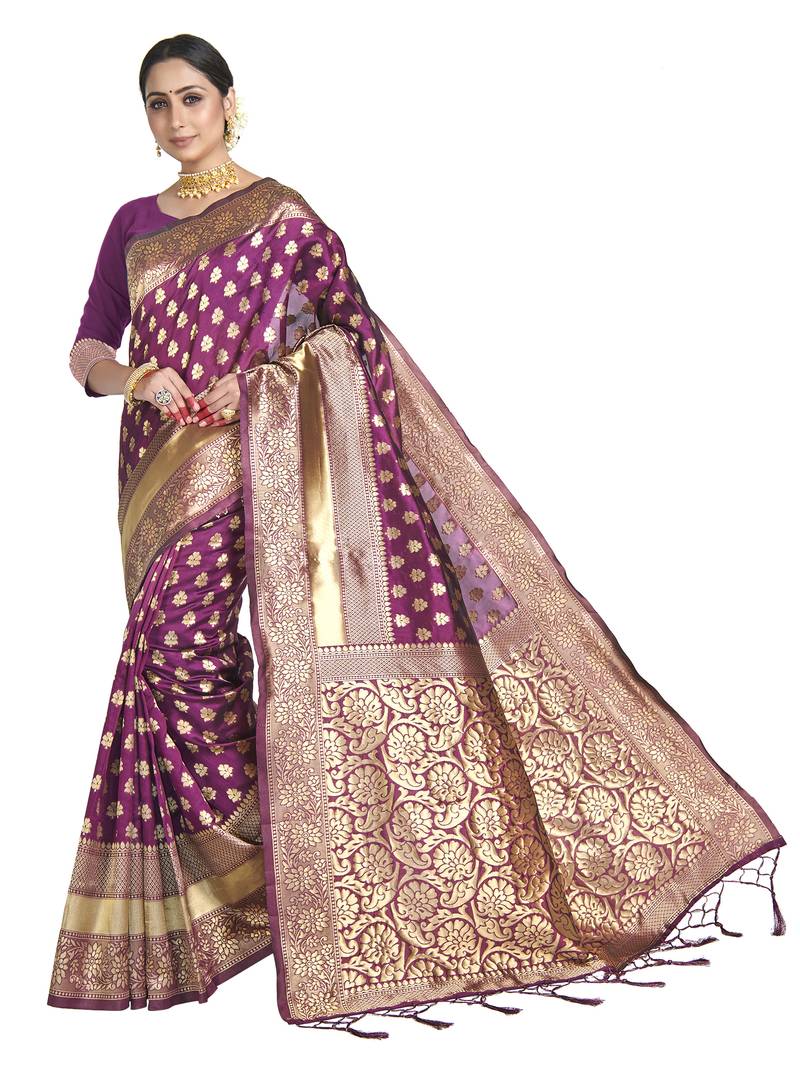
Sarees from different states: Banarasi from Uttar Pradesh, Kanjeevaram from Tamil Nadu, Paithani from Maharashtra, Bandhani from Gujarat & Rajasthan.
-
Embroidery styles like Phulkari from Punjab, Chikankari from Lucknow, Zari and Zardozi from Varanasi.
-
Handloom fabrics like Khadi, Ikat, and Kalamkari showcasing India’s artisan skills.
This variety ensures that Indian traditional wear never goes out of style and always offers something unique for every occasion.
3. The Wealthy History of Women’s Traditional Wear in India
-
India’s diversity is reflected in its dressing styles.
-
Every region has its own fabrics, weaving forms, embroidery, and patterns.
-
Women’s traditional clothing is more than fashion – it carries centuries of history and artisanship.
Examples:
-
Sarees by State:
-
Banarasi – Uttar Pradesh
-
Kanjeevaram – Tamil Nadu
-
Paithani – Maharashtra
-
Bandhani – Gujarat & Rajasthan
-
-
Embroidery Styles:
-
Phulkari – Punjab
-
Chikankari – Lucknow
-
Zari & Zardozi – Varanasi
-
-
Handloom Fabrics:
-
Khadi
-
Ikat
-
Kalamkari
-
👉 This wide variety ensures that Indian traditional wear never becomes outdated and always offers something new.
4. Regional Highlights of Women’s Traditional Wear
-
North India: Heavy lehengas, phulkari dupattas, chikankari kurtas.
-
South India: Kanjeevaram silk sarees, kasavu sarees, temple-jewelry-inspired attire.
-
East India: Baluchari sarees of Bengal, Mekhela Chador of Assam, tribal handloom designs.
-
West India: Bandhani sarees, mirror-work lehengas, colorful Rajasthani prints.
👉 This regional diversity makes Indian traditional wear vibrant and colourful.
5. Fabrics & Embellishments in Traditional Wear
-
Silk: Kanjeevaram, Banarasi, Paithani, Tussar silks.
-
Cotton: Breathable, soft, perfect for daily use.
-
Light Fabrics: Chiffon, georgette – ideal for modern drapes.
-
Embroidery & Work: Zari, Zardozi, Resham, Sequins, Beads, Mirror work.
👉 These fabrics and embellishments give Indian wear a luxury and cultural touch, making each outfit unique.
6. Major Facts About Women’s Traditional Clothing:
-
Symbolizes cultural identity and India’s artisan craft.
-
Comes in a wide variety: sarees, lehengas, kurtis, salwar suits, gowns.
-
Regional diversity adds distinct fabrics and styles.
-
Perfect for weddings, festivals, and cultural occasions.
-
Represents a fusion of ancient traditions and modern trends.
-
Gaining global recognition for its grace and originality.
7. Modern Influence & Global Reach
-
Traditional wear has now entered global fashion shows and exhibitions.
-
Designers like Sabyasachi, Manish Malhotra, Anita Dongre promote Indian ethnic styles worldwide.
-
Non-Indians are also adopting sarees and lehengas during multicultural weddings.
-
Online shopping platforms have made ethnic wear accessible globally, boosting demand.
8. Significance of Traditional Wear in Festivals & Weddings
-
Traditional wear is considered auspicious and an integral part of Indian celebrations.
-
During festivals like Diwali, Navratri, Durga Puja, Eid, women wear colorful sarees, lehengas, and salwar suits.
-
Weddings display the finest craftsmanship, with brides opting for lehengas, silk sarees, or gowns.
-
Clothing choices are often symbolic – red for marriage prosperity, yellow for Haldi ceremonies, white for spirituality and peace.
9. Final Thoughts
-
-
Women’s Traditional Wear is more than clothing – it is a cultural treasure that preserves India’s heritage.
-
Each garment showcases regional diversity, craftsmanship, and elegance.
-
Whether it’s the royalty of a silk saree, the festive charm of a lehenga, or the comfort of a kurti, traditional wear remains central in every woman’s wardrobe.
-
Trends may come and go, but the essence of Indian ethnic wear—grace, tradition, and timeless beauty—will never fade.
Reviews
There are no reviews yet.